Briston Maroney just sold out three nights in Tampa. Djo's playing packed rooms from Cincinnati to Hong Kong. And somehow, the music industry press is still pretending psychedelic rock is a niche concern.
Here's what actually happened this week while everyone was obsessing over the latest AI music generator drama.
Regional Festivals Become the New A&R
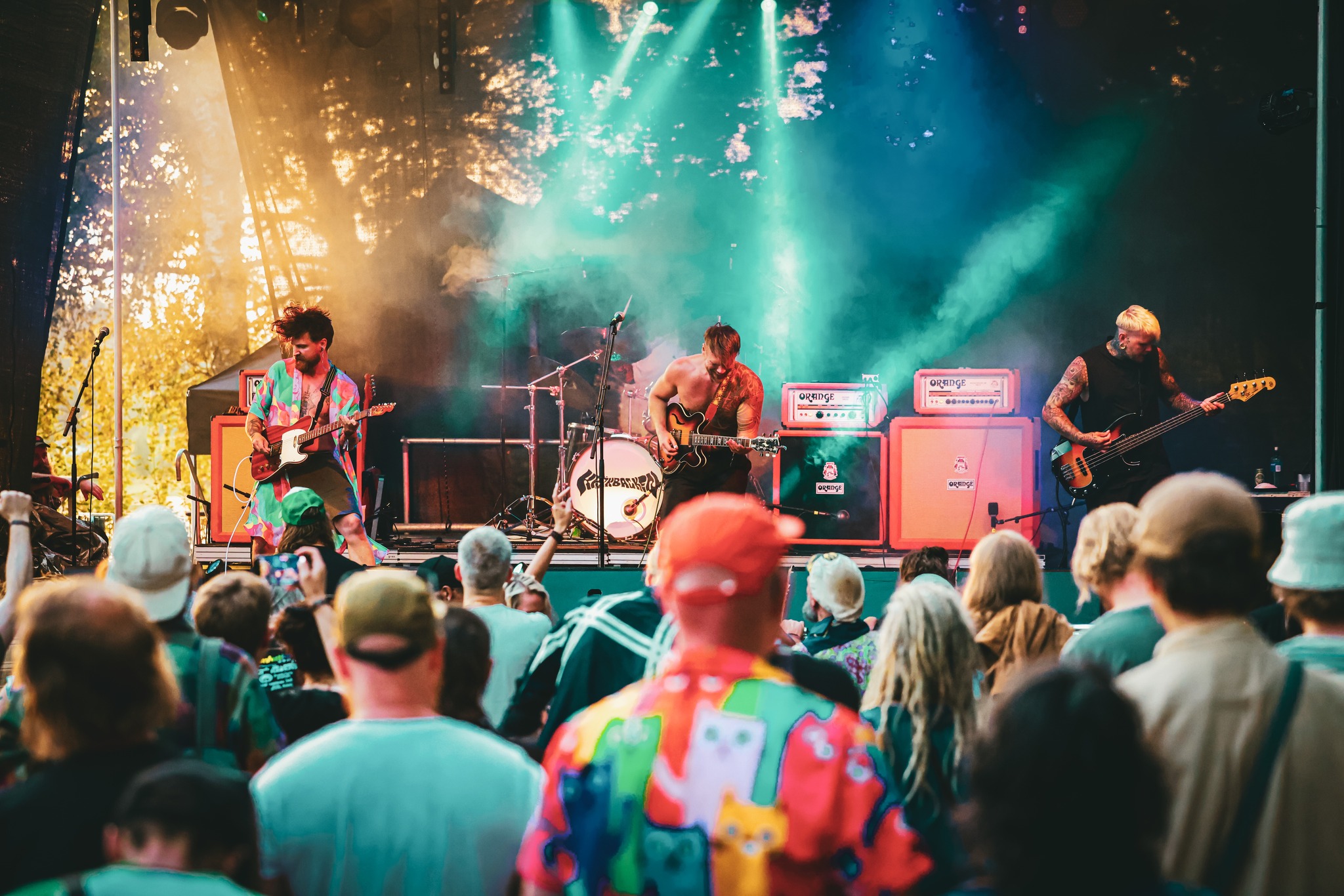
The Normaltown Music Festival lineup dropped this week, and it's basically a psychedelic rock showcase disguised as a regional event. Three of the top six acts fall squarely in the psych-indie space, and the booking agents I talked to say it's not an accident.
"Major festivals are risk-averse right now," one booker told me off the record. "They want guaranteed Instagram moments. But regional festivals? They're actually listening to music again."
This matters because regional festivals have become the new development circuit. Better artist treatment, actual sound checks, and crowds that came to hear music instead of take selfies. The smart psychedelic acts are skipping the Coachella submission pile and going straight to the 5,000-capacity festivals where they can actually build something.
Case in point: BAUTASTOR just announced their "Ancient Frequencies" tour, and it's all mid-tier markets. No LA. No Brooklyn. Just real venues in real cities where people still buy albums at shows.
The Bangla Rock Surprise Nobody Saw Coming
Speaking of international crossover, something fascinating is happening in diaspora communities. Bangla rock bands are incorporating heavy psychedelic elements, and it's not fusion for fusion's sake. It's creating genuinely new sounds that Western psych acts are already starting to borrow back.
The cross-pollination is happening faster than anyone expected. British psych bands are successfully touring Hong Kong and other Asian markets, bringing home influences that are showing up in their next releases. Meanwhile, diaspora artists are using psychedelic production techniques to modernize traditional song structures in ways that would make Kevin Parker jealous.
This isn't world music tourism. It's actual genre evolution happening in real time, and the streaming numbers back it up. Playlist curators are noticing, and the smart ones are already building bridges between these scenes.
Album Release Events Make a Comeback
While everyone's debating whether albums matter anymore, psychedelic rock artists are throwing proper album release parties again. Not streaming events. Not virtual listening sessions. Actual shows where people buy actual vinyl.
The Tampa scene exemplifies this perfectly. Local psych acts are treating album releases like community events, complete with visual projections, guest musicians, and limited pressings that sell out before the show ends. It's grassroots marketing that works because it's not marketing at all.
This approach is spreading to other mid-tier markets. Cincinnati, Portland, Austin—cities with strong local scenes and venues that understand album economics. The artists building sustainable careers aren't chasing playlist adds as much as they're building real relationships with real fans in real rooms.
The Post-Rock Connection
Here's where it gets interesting for artists thinking about their next move. The most successful psychedelic acts right now aren't pure psych at all. They're blending post-rock dynamics, garage rock accessibility, and psychedelic textures into something that works across multiple audiences.
It's not genre confusion—it's strategic flexibility. A band can play a post-rock festival one weekend and a garage rock show the next, pulling different elements forward depending on the room. The psychedelic component becomes the connective tissue rather than the main attraction.
Smart artists are using tools like Indiependr to track which combinations work in which markets, building data-driven touring strategies around these hybrid approaches.
What This Means for Working Musicians
The big picture here isn't that psychedelic rock is having a moment. It's that regional scenes are becoming more important than coastal hype, international crossover is happening at the grassroots level, and album-focused strategies still work if you execute them properly.
The artists succeeding right now aren't waiting for industry validation. They're building their own infrastructure: regional festival circuits, international touring partnerships, and local scenes that actually support album releases.
But here's the catch—this approach requires actual work. Market research. Relationship building. Understanding which festivals book six months out versus six weeks out. Knowing which playlist curators care about psychedelic content versus just checking boxes.
The good news? The infrastructure is there if you know where to look. Regional festivals are actively seeking psychedelic acts. International markets are more accessible than ever. And local venues are desperate for artists who understand that album release shows are community events, not product launches.
The question isn't whether psychedelic rock has a future. It's whether you're building in the places where that future is actually happening. If you want to find those places, the data's all there. You just have to be willing to look beyond the obvious markets.