- Tame Impala Is About to Drop and Indie Psych Needs to Be Ready
- Superfan Culture Is Quietly Eating the Algorithm Alive
- IRL Shows Are Doing Something Spotify Literally Cannot
- Regional Scenes Are the Real Discovery Engine Right Now
- What This Week Actually Tells Us
A Jennie remix of a Tame Impala track is generating more cross-genre buzz than most artists will see in a career. That's where we're starting this week, because it tells you almost everything you need to know about the moment we're in.
Tame Impala Is About to Drop and Indie Psych Needs to Be Ready
Kevin Parker has been quietly building toward a 2026 album for a while now. The Jennie collaboration, which landed this past week with the kind of cross-genre splash that only Tame Impala can pull off, is clearly the opening move. And the psychedelic rock segment is already feeling the warmth from that spotlight.
Djo's "The Crux" and Briston Maroney's "Better Than You" both showed up in the conversation this week as proof that polished psychedelic indie with pop bones is getting real mainstream traction. Meanwhile, Packaging's "Always Calling" earned Earmilk coverage without a major label anywhere near it. That last one matters more than people are giving it credit for.
Here's the problem most indie psych artists are sitting on right now: they're waiting for the wave to peak before they paddle. By the time a Tame Impala album is actually out and the algorithm has registered the genre spike, the window is already closing. The leverage is in the months before and immediately after the drop, not during it.
If you make psychedelic rock and you don't have a single ready to pitch in the next 60 days, you're leaving real discovery opportunity on the table. Playlist curators are actively refreshing their queues ahead of big releases in adjacent spaces. Blogs are looking for the "who to listen to while you wait" angle. That's the pitch. That's the moment. The artists who are writing about this right now, the ones asking "how does indie psych catch up to Tame Impala", are already thinking correctly. The ones waiting for Spotify to notice them organically are going to be waiting a long time.
The Playlist Discovery and Pitch Engine we built exists exactly for this kind of window. It finds active curators in your genre, scores them by how recently they've updated their playlists and whether they actually respond to pitches, and helps you get your music in front of the right people before the moment passes. Not after.
Superfan Culture Is Quietly Eating the Algorithm Alive
The industry forecast this week is about as clear as it gets: a small, deeply engaged audience is now driving more momentum than broad passive reach. This is not a new idea, but the acceleration is real and the gap is widening fast.
What's actually happening is that the streaming model trained a generation of artists to optimize for streams, which optimized for passive listening, which built audiences that feel zero obligation to the artist. You've got 50,000 monthly listeners on Spotify and 200 people who would actually notice if you disappeared. The algorithm loves the first number. Your career depends on the second one.
Superfan culture flips that. It's the person who buys the vinyl before they've heard it because they trust you. The one who drives three hours to a show in a city that isn't theirs. The one who posts your music without being asked. That person is worth more to your career than 10,000 passive streams, and the industry is finally starting to price that correctly.
The artists who are winning right now are treating their audience as collaborators, not consumers. Mystery-driven rollouts. World-building. Letting fans feel like they're inside something. This isn't a marketing tactic, it's a relationship model. And it compounds. Every release cycle builds on the last one because the fans are invested in the arc, not just the song.
The hard part is that you can't build superfan relationships when you're spending four hours a day doing content admin. That's the trap most indie artists are in. They're so busy maintaining the appearance of an active online presence that they have no time to actually connect with the people who care most. Social Autopilot on the platform handles the posting cadence across 13 platforms so you can stop worrying about whether you've posted on Threads today and go have an actual conversation with someone who bought your last record.
IRL Shows Are Doing Something Spotify Literally Cannot
The resurgence of IRL activations as a trust-building mechanism is one of those things that sounds obvious until you realize how many artists abandoned it during the streaming era. The logic at the time made sense: why spend money on touring when you could reach millions online for almost nothing? The answer, which we're all learning the hard way, is that reach is not the same as trust.
An algorithm can put your song in front of a million people. It cannot make any of them feel like they were there for something. A room of 80 people who saw you play a sweaty show in Cincinnati and talked to you after, those people are your foundation. They tell their friends. They show up again. They buy things. They exist in the physical world, which means they can bring other physical humans into your orbit.
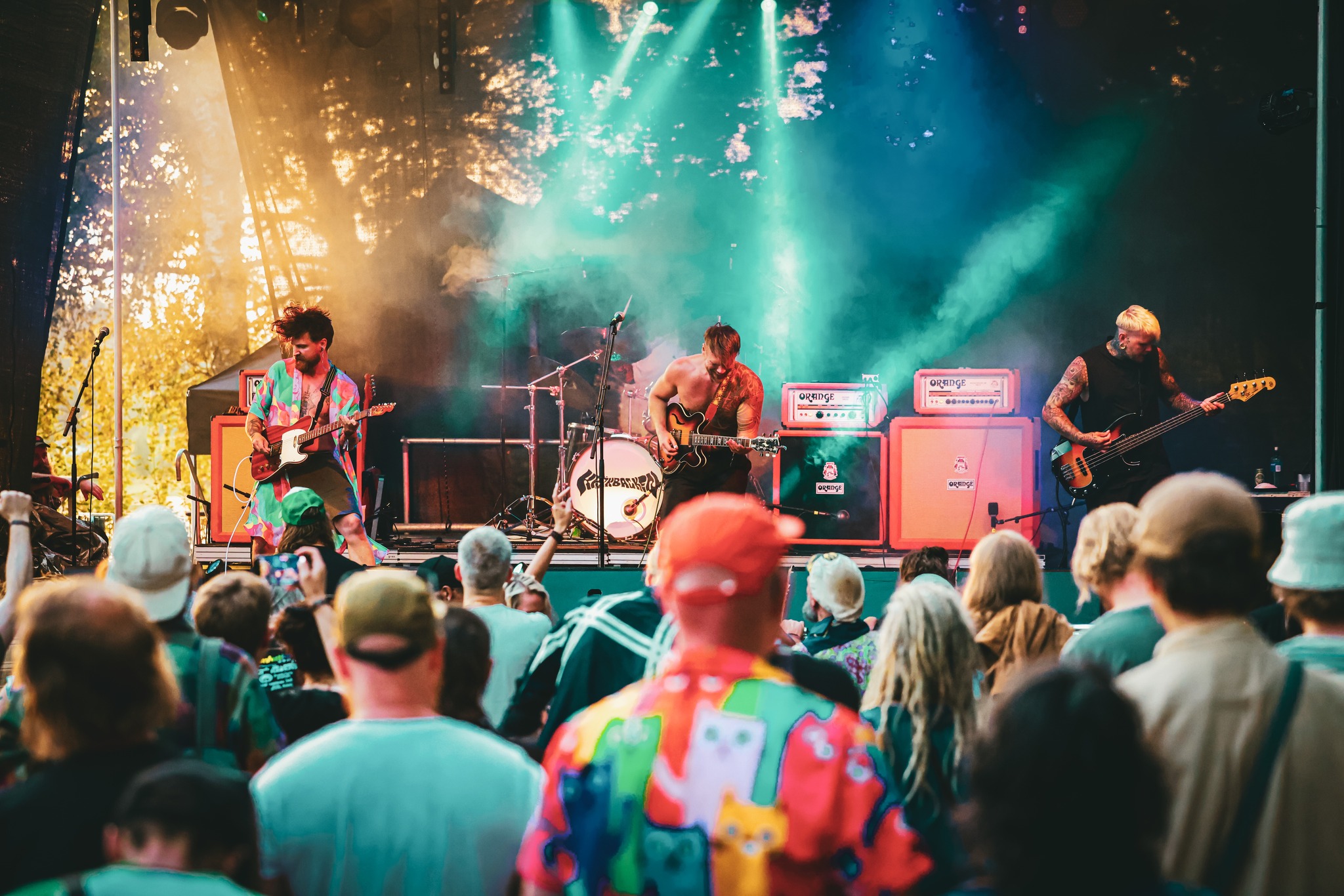
Slift's 2026 tour and the underground festival circuit that's been quietly redrawing the map are worth paying close attention to. The Normaltown Festival in Georgia is one of several regional events that are becoming genuine discovery hubs for psychedelic and indie acts. These aren't Coachella. They're not trying to be. They're the kind of events where a band can play to 300 people and walk away with 50 new superfans and a booking agent's email address.
The problem is logistics. Most indie artists don't book tours because the process is genuinely miserable. Cold emails to venues that never respond. Routing that makes no geographic sense. Not knowing which rooms are right for your draw. We built the Tour Booker on the platform because we lived that exact problem, and it shouldn't be the reason you don't play live. The AI finds venues that match your genre and audience size, handles the personalized outreach, and helps you build a route that doesn't have you driving from Denver to Miami and back in a week.
Regional Scenes Are the Real Discovery Engine Right Now
This one doesn't get enough attention. Colorado, Cincinnati, Georgia, these aren't afterthoughts on the music map right now. CPR Colorado and Cincinnati CityBeat are actively covering indie psychedelic artists. The Normaltown Festival is generating press. Local scenes are producing acts that are getting real critical attention without major label infrastructure anywhere in sight.
The mistake most indie artists make is assuming they need to crack New York or LA before any of this matters. That's a 2010 playbook. Regional media coverage builds a credibility trail that national outlets actually follow. When Earmilk picks up Packaging's "Always Calling", that doesn't happen in a vacuum. It happens because the band built something real somewhere specific first.
There's a practical move here that almost nobody is making: pitch to regional music media. Not as a backup plan. As a primary strategy. A feature in CPR Colorado reaches a deeply engaged local audience that will actually show up to your show, buy your record, and talk about you. That's more valuable than a passive mention in a national outlet that drives 40 streams and zero new fans.
The adjacent sounds story is also worth noting. Post-rock crossover and indie pop fusion are expanding what listeners accept under the psychedelic umbrella. If you've been worried that your sound is "too weird" or "not psych enough", the genre is actively absorbing new things right now. The walls are down. That's an opportunity, not a threat.
What This Week Actually Tells Us
Pull back and look at all of this together and a pretty clear picture emerges. The streaming era promised artists infinite reach in exchange for creative and financial sovereignty. Most artists took that deal. And now the reach is real but the returns are fractions of a cent per stream, the algorithm buries you the moment you stop feeding it, and you've built an audience of passive listeners who feel no particular loyalty to you as a human.
What's working in 2026 is almost the opposite of that model. Smaller, engaged audiences. Physical presence. World-building that makes fans feel like insiders. Regional credibility that travels. Genre moments, like the Tame Impala wave, that create short windows of genuine discovery opportunity if you're positioned to catch them.
None of this is anti-technology. The artists winning right now are using AI and automation to handle the administrative grind so they can spend their actual energy on the things that build real connection. That's the distinction that matters. Using tools to free yourself up, versus using tools as a substitute for showing up.
We're tracking 68 scheduled social posts across the artists using the platform this week, and 71 Music Studio workflow runs. That's not vanity data. That's artists getting the mechanical stuff handled so they can go play a show in Cincinnati or write the single they need ready before the Tame Impala album drops. That's the point of all of it.
If you're a psychedelic rock artist reading this and you don't have a release plan for the next 90 days, the platform has a Release Commander that will build one with you. If you're sitting on music that should be in front of playlist curators right now, that window is open. Not forever. Right now.
The industry is not going to fix itself for independent artists. It never was. But the tools to fight back are better than they've ever been, and the moment, at least for psychedelic rock, is genuinely good. Don't waste it waiting for someone to notice you. We'll be back next week with more of this, but go do something with it first.