The most interesting thing happening in indie music right now isn't on TikTok or in a Spotify algorithm update. It's in Hong Kong, where Western garage-psych acts are finding audiences that American labels haven't even thought to chase. That's the kind of gap that independent artists are uniquely positioned to exploit, and this week's news makes a pretty compelling case for moving fast.
Hong Kong Is Listening. Are You Playing?
The industry forecast coming out of Southeast Asia this week is specific enough to take seriously: psychedelic rock is gaining real traction in Hong Kong, driven by the genre's vintage aesthetics and the appetite for immersive live experiences in a market that hasn't been oversaturated by the usual psych circuit. Think about what that means practically. The Cincinnati and Athens GA scenes that are dominating domestic psych coverage right now? They're invisible in Hong Kong. That's not a problem, that's a clean slate.
The window being cited is roughly six weeks before the infrastructure gets crowded. That's a tight timeline, but for an independent artist with a Bandcamp presence, a few well-placed social posts in Cantonese, and the willingness to pitch to Hong Kong promoters directly, this is genuinely actionable. The cross-cultural appeal of psych rock, specifically the fact that it doesn't require lyrical fluency to connect emotionally, makes it one of the few Western genres that travels well without translation.
And the vintage aesthetic angle matters more than it might seem. Hong Kong has a thriving collector culture around analog music, physical media, and retro visual design. A psych act with strong artwork and a vinyl-first release strategy isn't just making music, it's making an artifact that fits neatly into an existing consumer behavior. That's rare.
The DIY Scene Is Winning, Just Not in One Place
The domestic picture is more complicated. What's emerging from the regional psych rock scenes right now is a story of fragmentation that looks like weakness but might actually be strength. Cincinnati, Athens GA, Detroit , these aren't satellite offices of some centralized psych rock HQ. They're genuinely independent ecosystems with their own press, their own festival slots, their own audiences. The major labels are largely absent, which means the ceiling is lower but so is the competition.
The genre blending happening inside these scenes is worth paying attention to. Psych with cumbia. Psych with folk. Acoustic interpretations of heavy psych that feel closer to Appalachian music than anything on a Desert Records roster. This isn't dilution, it's the genre finding new surface area. Artists who are willing to position themselves at these intersections are reaching audiences that pure psych acts can't touch, and they're doing it without abandoning the core sonic identity that makes the genre compelling in the first place.
The downside of this regional fragmentation is real, though. A band killing it in Cincinnati still has to rebuild its audience from scratch in Austin or Portland. There's no national psych rock infrastructure the way there is for, say, Americana or indie folk. Every market is a new pitch. That's exhausting, and it's one reason why tools that help artists maintain consistent output and presence across multiple markets, without burning out a two-person operation, are becoming less of a luxury and more of a basic requirement.
Veteran Artists Are Back, and That's Actually Good News for Everyone Else
One development that's getting less attention than it deserves: established rock artists are returning to the psych space after multi-year gaps. The instinct is to read this as crowding, but that's the wrong frame. When veterans come back to a genre, they bring their older audiences with them. Those audiences then discover the newer acts on the same festival bills, in the same Spotify editorial playlists, in the same record store sections. Rising tide, boats, all that.
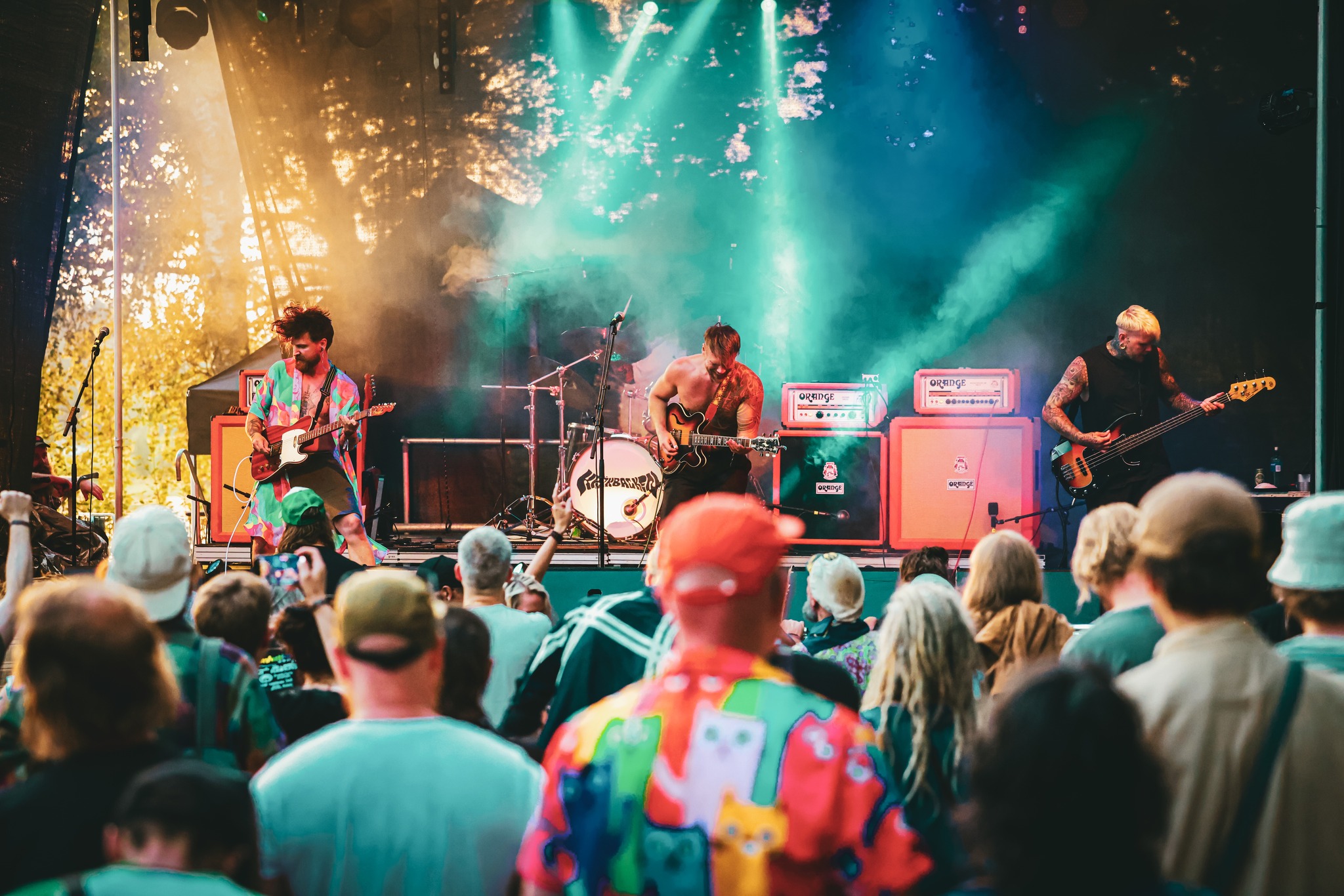
The festival circuit is where this dynamic plays out most visibly. Regional festivals like Normaltown remain the primary discovery mechanism for psych rock, and a veteran headliner is exactly the kind of anchor booking that gets a mid-tier regional festival covered by the press that actually moves the needle for the opening acts. If you're an independent psych artist and you're not actively targeting festival slots for the next booking cycle, you're leaving the most efficient promotional channel in the genre sitting on the table.
The pitch strategy matters here. Don't just submit to the obvious ones. The mid-tier regional festivals, the ones with 2,000 to 8,000 attendees that aren't on every blogger's radar, are where psych acts are getting programmed as staples rather than novelties. Local press coverage from those slots converts to streaming numbers in ways that a single Spotify playlist placement often doesn't, because the audience is already self-selected and engaged.
What This Week Actually Tells Us
Put these stories together and a pattern emerges. Psych rock in 2026 is a genre with genuine momentum but no center of gravity. The domestic scene is fragmented across regional hubs. The international opportunity is real but time-sensitive. The veterans are back but they're not dominating, they're creating lift. And the artists who are going to benefit most from all of this are the ones who can move quickly, maintain consistent output, and show up in multiple places at once without a major label's marketing budget behind them.
That last part is the whole game right now. The barrier to making good psych music has never been lower. The barrier to being heard making good psych music is still significant, not because the audiences aren't there, but because reaching them requires a volume of consistent activity that most independent artists can't sustain alone. Thirteen scheduled social posts, one active email list, 58 music workflow runs , that's the kind of operational cadence that actually builds an audience over time. The artists treating their output like a publishing operation rather than a series of one-off releases are the ones positioning themselves to catch this wave before the six-week window closes.
The psych revival isn't a moment. It's a slow build with a lot of regional and international surface area still unclaimed. The question is just who gets there first.
If you're building that kind of operation and want tools built specifically for independent artists, Indiependr is where we're building it. And if you want to go deeper on the autonomous band side of the equation, the Lab is worth a look.