- The Superfan Economy Is Outrunning the Algorithm Right Now
- Psychedelic Rock Is Having Its Mainstream Crossover and Most Indie Artists Are Missing It
- Spotify's Discovery Problem Hasn't Been Fixed, It's Been Repackaged
- IRL Shows Are Back as a Trust Mechanism, Not Just a Revenue Stream
- What All of This Tells You About the Next 30 Days
The single most interesting thing happening in music right now is not a new platform launch or a major label merger. It's this: a small, deeply engaged audience is now worth more than a large passive one. Not morally, not philosophically. Algorithmically, economically, measurably. The industry has been gesturing at "superfan culture" for two years, but this week it started looking less like a trend piece and more like a structural shift. Let me explain what's actually going on.
The Superfan Economy Is Outrunning the Algorithm Right Now
Every signal pointing out of the industry right now says the same thing. World-building and mystery-driven rollouts are outperforming straightforward release announcements. Artists who treat their audience as collaborators rather than consumers are seeing compounding returns on every release cycle. This is not a content strategy tip. This is a fundamental reorientation of how music spreads.
Here's the problem it reveals. Most indie artists are still operating on a broadcast model. Drop a single, post about it seven times across platforms, hope the algorithm picks it up, watch it get buried under major label promo budgets and playlist pay-to-play. The broadcast model made sense when radio was the only game. It makes almost no sense now.
The artists actually gaining ground are treating each release as an event their community is part of, not a product being announced to strangers. Teasers that invite speculation. Behind-the-scenes content that makes fans feel like insiders. Rollouts that build tension over weeks instead of dumping everything on release day. And critically, they're tracking who actually engages, who shares without being asked, who buys merch before the album drops. Those people are worth ten thousand passive Spotify listeners who added your song to a playlist they never play.
The practical implication for working musicians is blunt. You need to know who your real fans are. Not your follower count. Not your monthly listeners. The actual humans who would drive three hours to a show. If you can't name twenty people who have bought something from you in the last six months, you don't have a superfan base yet, and that's the work right now. Everything else, the posting, the pitching, the distribution, it all compounds faster once those twenty people exist.
This is exactly why we built Fan Intelligence into the platform the way we did. Seven-tab analytics that doesn't just show you streams and follower growth but tracks who actually buys, shares, and shows up. Vanity metrics feel good. Real fan data builds careers.
Psychedelic Rock Is Having Its Mainstream Crossover and Most Indie Artists Are Missing It
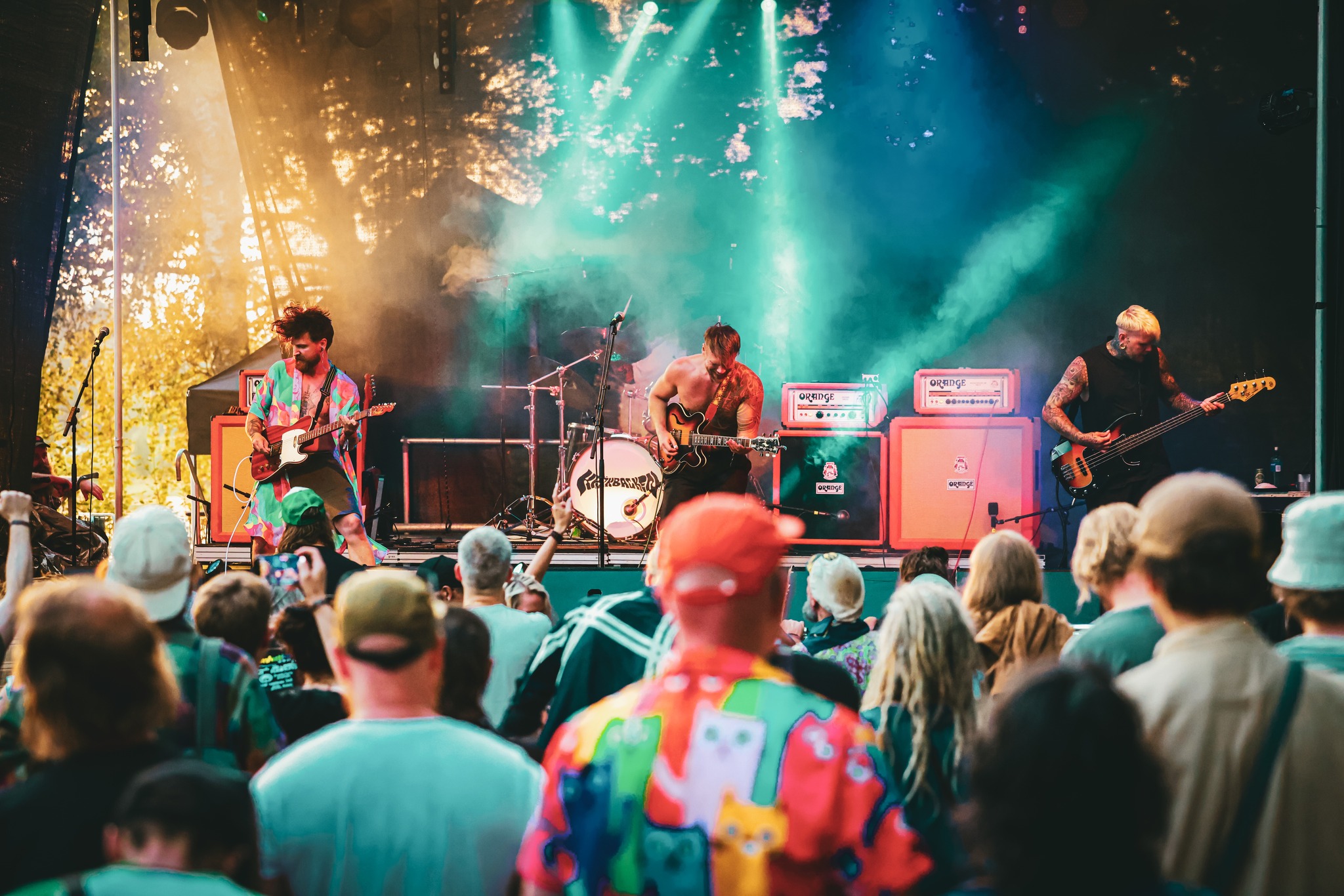
Tame Impala is preparing a 2026 album cycle and Kevin Parker's Jennie remix is pulling cross-genre attention from K-pop audiences who had never touched psychedelic rock before. Djo's "The Crux" is showing that polished psychedelic indie with genuine pop sensibility can crack mainstream playlists. Briston Maroney's "Better Than You" is doing similar work. And Packaging's "Always Calling" just got Earmilk coverage, which matters because Earmilk doesn't do charity coverage. They covered it because it's good and because the audience appetite is there.
What this tells you is that the genre is in an absorption phase. Post-rock crossover, indie pop fusion, lo-fi journeys that take their time. The edges of what gets called psychedelic are expanding, and that expansion creates real surface area for indie artists who are making anything in that orbit.
The problem is timing. Most indie artists treat a major artist's album cycle as competition. It's not. It's a tide. When Tame Impala drops, playlist curators start refreshing their psychedelic and indie rock playlists. Music blogs start commissioning more coverage in the genre. Listeners who hadn't thought about the sound in a year suddenly go looking. That's a window, and it opens in the weeks before and after a major drop, not during it.
Colorado, Cincinnati, and Georgia's Normaltown Festival are all actively covering regional psychedelic acts right now. CPR Colorado and Cincinnati CityBeat have been consistent. These are not consolation prizes. Regional press coverage builds credibility that national coverage actually respects, and it converts to real local audiences who show up and spend money. If you're making anything in the psychedelic or adjacent space and you haven't pitched CPR Colorado in the last six months, that's a gap worth closing before the Tame Impala cycle peaks.
The artists writing on our platform this week were all over this. "Tame Impala's 2026 Move and What Psych Rock Owes Its Weirdos" and "Psych Rock Is Expanding Its Map" both landed on the same insight from different angles. The genre is big enough to carry multiple careers right now. The question is who moves fast enough to catch the wave.
Spotify's Discovery Problem Hasn't Been Fixed, It's Been Repackaged
Nothing changed on Spotify this week. That's the story. The algorithm still buries indie artists under major label promo budgets, and the platform's answer to this has consistently been to add more editorial curation layers that indie artists have no real access to without a publicist charging $3,000 a month or a distributor with label-tier relationships.
The Spotify Loud and Clear report that came out earlier this year showed that the top 0.8% of artists on the platform earn 90% of royalties. That number is not improving. The per-stream rate hasn't materially changed. And the discovery algorithm continues to favor artists with existing momentum, which is a circular logic trap for anyone starting out. You need streams to get recommended. You need to be recommended to get streams.
What indie artists actually do about this is not "optimize your Spotify for Artists profile" or "submit to editorial playlists." Editorial playlist submission is a lottery with worse odds than it was three years ago. The real move is independent playlist outreach, and it requires volume and precision simultaneously. Finding curators who are actually active, whose playlists have real listeners rather than bought followers, who are responsive to pitches in your specific genre. That's tedious manual work unless you've automated it.
The playlist pitch engine we built at Indiependr exists specifically because I spent too many hours doing this manually. AI finds active curators in your genre, scores them by freshness and responsiveness, pulls contact info, and manages the pitch campaigns. The goal isn't to spam a thousand curators. It's to reach the right fifty with a pitch that doesn't look like a template. That distinction is the difference between a 2% response rate and a 20% one.
The broader point is this. Spotify is not going to fix its discovery problem for indie artists. The incentive structure doesn't point that way. Fighting the algorithm means building infrastructure outside it, so that when someone does find you on Spotify, they're landing in an ecosystem you control, not one you're renting.
IRL Shows Are Back as a Trust Mechanism, Not Just a Revenue Stream
This one feels obvious until you look at why it's actually happening. IRL activations are resurging, but the reason isn't just post-pandemic nostalgia or the fact that people missed live music. The reason is that algorithms cannot replicate the trust that physical presence builds. A fan who sees you play a small room, who watches you sweat through a set, who talks to you at the merch table afterward, that person has a relationship with you that no amount of social media content can manufacture.
Slift's touring activity and the rise of psych festivals as documented in the artist content on our platform this week both point to the same thing. The artists building durable careers right now are treating live shows as trust infrastructure, not just income. The show is the proof of concept. Everything else, the recordings, the merch, the online community, it all converts better after someone has seen you in a room.
The practical problem is that booking is still a nightmare. Cold-emailing venues is tedious, the templates get ignored, and most indie artists don't have the infrastructure to route a tour efficiently. I've done this. I've sent sixty venue emails in a week and gotten four responses, two of which were from venues that had already closed. It's demoralizing in a way that makes artists give up on touring before they've really tried it.
The other thing worth noting about IRL shows in 2026 is that the ticket and merch economics matter more than they ever did when streaming was supposed to be the future. Selling tickets directly to fans with a 5% platform fee instead of routing through a middleman taking 20-30% is not a minor optimization. On a 200-capacity show at $20 a ticket, that's a real number. Direct sales also mean you keep the fan data, which feeds back into the superfan tracking problem we talked about at the top.
What All of This Tells You About the Next 30 Days
The through-line across everything this week is the same one it's been for the last six months, but it's getting sharper. Passive reach is becoming worthless faster than anyone predicted. The artists winning right now have smaller audiences that are more engaged, not larger audiences that are indifferent. They're building in public, creating mystery and world-building around releases, showing up IRL to convert passive listeners into real fans, and treating the algorithm as a thing to work around rather than a thing to serve.
For anyone making psychedelic rock or adjacent sounds, the next six to eight weeks are genuinely high-leverage. The Tame Impala cycle will lift the whole genre's visibility. Regional press is actively looking for coverage. Festivals like Normaltown are building credibility for the scene. If you have a single ready, this is the window to pitch it hard to the right places.
For everyone else, the superfan question is the one to answer. Not "how do I get more followers" but "who are the twenty people who would actually miss me if I stopped making music." Find them. Talk to them. Build something with them. The algorithm can bury your reach but it cannot touch a community that already exists.
We're watching 71 Music Studio workflow runs on Indiependr this week and 68 scheduled social posts, which tells me the artists on the platform are working. That's the only thing that actually compounds. The industry news changes every week. The work is what stays.