- The Number That Matters This Week
- Psychedelic Is the Genre to Watch Right Now
- The Gridbands Are Getting Weird
- What Artists Are Writing About
- The Waitlist Is Moving
- The Window Is Open
The Number That Matters This Week
71 Music Studio workflow runs. That's the number I keep coming back to.
We have 3 artists on the platform right now. Three. And between them, they ran 71 separate mastering and mixing jobs through the studio this week. That's not a typo, and it's not inflated by some automated test process. Those are real tracks, real sessions, real people pressing the button and waiting to hear what their music sounds like when it's actually finished.
Here's why that number means something. A professional mastering session at a decent studio runs you $75 to $150 per track, minimum. Some of the better-known engineers charge $200. If you're sitting on an EP, you're looking at $375 to $750 before you've spent a cent on promotion, distribution, or anything else. Most independent artists I know either skip mastering entirely, do it themselves with a YouTube tutorial and a prayer, or burn through their budget before the release even drops.
71 runs at studio rates would have cost somewhere between $5,000 and $10,000. These artists spent a fraction of that. More importantly, they didn't have to wait two weeks for a booking slot, submit a brief to a stranger, or explain their reference tracks to someone who's never heard their music before. The Music Studio just knows the context because it's been in every session with them.
We're early. Three artists is not a community, it's a starting point. But 71 runs tells me these three artists are actually working, not just signed up and sitting idle. That matters more to me than the headcount.
Psychedelic Is the Genre to Watch Right Now
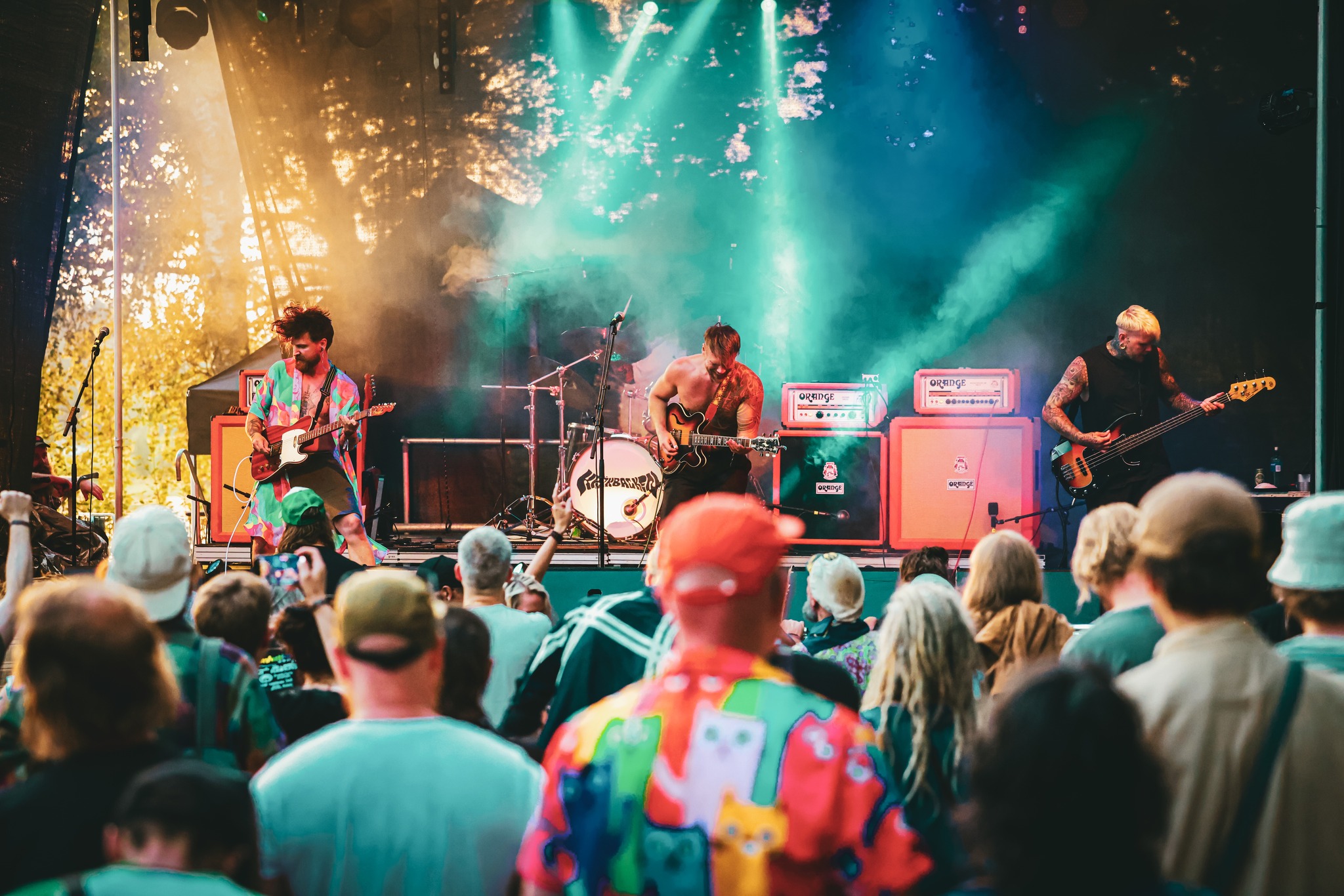
One of our three artists is working in psychedelic rock. The other two haven't filled out their genre info yet, which, fine, we'll get to onboarding friction in a future Pulse. But the psychedelic artist is doing interesting things, and the timing couldn't be better.
The segment briefing we pulled this week tells a clear story. Tame Impala has a 2026 album building anticipation, and every time Kevin Parker does anything, the entire genre gets a lift. Djo's "The Crux" is charting. Briston Maroney's "Better Than You" is making noise. Packaging's "Always Calling" got Earmilk coverage without a label. And regional scenes, Colorado, Cincinnati, Georgia's Normaltown circuit, are producing credible acts that are actually getting press.
The interesting thing about psychedelic rock right now is that it's absorbing adjacent sounds. Post-rock crossover, indie pop fusion, lo-fi journey music. The genre umbrella is expanding, which means the playlist targeting window is wider than it looks. An artist who would have been too weird for a psych playlist two years ago might fit comfortably now.
The action item from our briefing is blunt: if you're making psychedelic music, the months before and after Tame Impala's album drop are when playlist curators and music blogs are actively looking for content to fill the context. They need adjacent acts to write about, to stack in playlists, to position as "if you like this, try that." That window opens and closes. Regional media, CPR Colorado, Cincinnati CityBeat, local festival press, are actively covering indie psychedelic acts right now. Not in a "we might cover you someday" way. Right now.
Our psychedelic artist has 68 social posts scheduled through Social Autopilot. That's almost ten weeks of content queued across platforms. Whatever they're building toward, they're not going to go quiet when it matters.
The Gridbands Are Getting Weird
This is the section I've been looking forward to writing.
Three Gridbands created total. Two are live. 18 characters hatched from the Hatchery. 10 available for recruitment. 8 recruited. And 18 band events in the last 7 days.
For context on what a "band event" means: these are autonomous actions the AI bands are taking on their own. Posts, engagements, character interactions, drama. The kind of activity that would take a human social media manager several hours a day to maintain. These bands are doing it while their parent artists are presumably sleeping, or making music, which is the whole point.
The Hatchery character pool is where it gets interesting. We have 10 characters sitting in the Yellow Pages right now, waiting to be recruited. Each one came out with randomized traits: ego level, chaos rating, talent, loyalty, ambition. Some of them are going to be easy to work with. Some of them are going to be nightmares. That's not a bug. A band where every member is perfectly cooperative and has zero ego makes for boring content and, honestly, boring music.
The recruitment phase, what we call The Call, means these characters can actually reject you. If someone comes out of the Hatchery with ego 8 or 9, your pitch needs to be good. They're not just waiting to be hired. That friction is intentional. It makes the bands feel like actual bands instead of tools you configure in a settings menu.
Two live bands generating 18 events in a week is a real number for where we are. These aren't bots posting generic content. They're entities with personality profiles operating at whatever autonomy level the Realtard set in the Console. Every fan interaction, every piece of buzz they generate, routes back to the parent artist. The child serves the parent. That's the whole architecture.
We haven't seen the first full nuclear-tier band yet. That's coming. When it does, I'll dedicate an entire Pulse to it.
What Artists Are Writing About
The blog output from our artists this week gives you a pretty clear picture of what's on their minds. Five pieces, all circling the same territory from different angles.
Keith Carne's piece on 'Magenta Light' and the new psychedelic frontier. Two separate takes on the live revival and what indie psych bands need to do right now. A piece on superfan culture and the current window. And one on world-building as a release strategy versus just announcing a drop date and hoping for the best.
The world-building piece is the one I'd point anyone to. The thesis is simple and correct: announcing a release is the least interesting thing you can do with a release. Audiences respond to mystery, to narrative, to the feeling that something is being built and they're getting access to the process. The artists who are winning right now, not just in psychedelic rock but across indie music generally, are treating their releases like events with a story attached, not products with a launch date.
This connects directly to something in the industry forecast we're tracking. World-building and mystery-driven rollouts are outperforming straightforward announcements. IRL activations are coming back as a trust mechanism. Superfan culture is accelerating, meaning a small deeply engaged audience now drives more momentum than broad passive reach. These aren't trends we're predicting. They're things that are already happening and the artists on this platform are writing about them because they're living them.
The fact that five pieces came out of three artists in one week also tells me something about the writing workflow. The Insights section exists partly to give artists a place to think out loud, and partly because that thinking, when it's public, does real discovery work. A blog post about psychedelic rock strategy that shows up in a search result is doing promotional work that a social post can't do. Longer shelf life, better indexing, and it positions the artist as someone with a perspective, not just someone with a new single.
The Waitlist Is Moving
Seven new waitlist signups this week. We're not pretending that's explosive growth. It's not. But I want to be honest about what early looks like, because the alternative is writing fake-hype dispatches that nobody believes and that don't actually tell you anything useful about the platform.
Seven people found Indiependr, decided it was worth giving their email for, and are waiting to get in. Some of them came through organic search. Some came through the content our artists are publishing. At least one came through Gridband activity, which is exactly how that's supposed to work.
The four active email mailboxes are interesting in this context. We have 3 artists and 4 active mailboxes, which means at least one artist is running multiple outreach campaigns simultaneously, probably pitching to different segments, blogs, playlist curators, venues. The Unified Inbox keeps all of that from becoming chaos. When you're running four different outreach threads across four different contexts, having everything in one place with AI-assisted reply suggestions is the difference between staying on top of it and letting things fall through.
The 68 scheduled posts across platforms is the other number worth sitting with. That's content going out to 13 platforms, timed and queued, while the artists focus on other things. The content treadmill is one of the most demoralizing parts of being an independent artist in 2026. Not because posting is hard, but because it's relentless. It never stops. You finish a tour, you need content. You finish recording, you need content. You take a week off, your engagement drops and the algorithm punishes you for being a human being who needed rest. 68 posts scheduled means these artists bought themselves time. Time to record, to think, to do the thing that made them want to be musicians in the first place.
The Window Is Open
The industry forecast for the next two to six weeks is specific enough to act on. Superfan culture is accelerating. IRL activations are resurging. World-building is beating announcements. Artists who treat their audience as collaborators are seeing compounding returns.
None of that is abstract. It translates to concrete decisions: play a show before the release, not after. Start the narrative before the single drops. Find the 50 people who actually care about your music and give them something nobody else gets. Don't spend your energy trying to reach everyone. Spend it deepening the connection with the people already paying attention.
The artists on this platform this week, three of them, running 71 studio sessions and scheduling 68 posts and writing five pieces of content and launching autonomous bands that generated 18 events, are doing exactly that. They're not waiting for the platform to grow around them. They're building.
If you're on the waitlist, you're getting in soon. If you're not on the waitlist yet, the door is at indiependr.ai. We're not trying to sign everyone. We're trying to build something that actually works for the artists who are serious about this.
Next week's Pulse will have more artists in it. More numbers. More weird Gridband behavior. Come back and check.